
Have you ever finished a meal and realized you barely tasted it? Maybe you ate while scrolling on your phone, rushing between tasks, or standing at the counter. Eating quickly is common, but it often leaves you feeling uncomfortably full, stressed, and out of touch with your body’s signals.
When you eat too fast or while distracted, your brain doesn’t have enough time to register fullness. That means you’re more likely to overeat without even realizing it. The good news? Slowing down helps you feel satisfied, reduces stress, and lets you enjoy food in a whole new way.
What Happens When You Eat Too Fast
Your body sends you signals when you’re hungry and when you’ve had enough. But it takes about 20 minutes for those “I’m full” messages to reach your brain. If you finish your plate in half that time, you miss the chance to notice.
The result? You may feel stuffed later, wonder why you ate so much, or even slip into guilt. Over time, eating too quickly can also lead to weight gain, digestive issues, and a disconnection from what your body truly needs.
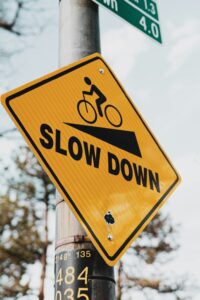 How Slowing Down Helps
When you give yourself permission to slow down, you’re not just eating—you’re reconnecting with your body. Taking smaller bites, putting your fork down between mouthfuls, or even pausing for a few deep breaths can:
- Boost satisfaction: You’ll notice flavors, textures, and smells more clearly.
- Reduce stress: Slower eating calms your nervous system.
- Support balance: You’ll stop when you’re comfortably full, not overstuffed.
Even five extra minutes at mealtime can shift the way you feel afterward.
Simple Ways To Practice
Slowing down doesn’t have to be complicated. Try one of these simple steps at your next meal:
- Set a timer for 20-30 minutes and see if you can stretch out your eating.
- Pause halfway through your plate and ask, “How’s my hunger level now?”
- Put away distractions like your phone or TV so you can focus fully on the meal.
- Chew each bite a little longer than usual to help your body catch up with your brain.
You might be surprised at how much more relaxed and satisfied you feel.
Reconnect With Your Body
Eating too fast is really a sign of being disconnected—caught up in stress, habit, or the rush of daily life. By slowing down, you align your choices with what your body actually needs. You show yourself care, respect, and attention. And that makes every meal more than just fuel—it becomes nourishment for both body and mind.
Ready to Take the Next Step?
Want to uncover what’s really behind habits like rushing through meals? Take our free Top Inner Roadblocks to Weight Loss Success Quiz to find out what might be standing in your way.
Looking for more tips to reconnect with your body’s signals? Check out our post When Skipping Meals Backfiresto learn how regular eating can boost your energy and reduce overeating.
Source:
Loughrey K. Happy Life at a Healthy Weight: Creating a Shame Free, Healthy Relationship with Food and Life.Authentic Wellness Publishing Company, LLC; 2024.

Zhana Ivanova
University of Maryland – Nutrition and Food Sciences

Kay Loughrey, MPH, RDN, LDN Transformational Speaker, Breakthrough Coach, Nutritionist-Dietitian
Thank you for reading this blog post. Join the Sweet Life Newsletter to stay up to date on blog posts, events, and other ways to live your best sweet life.
Kay Loughrey, MPH, RDN, LDN is a licensed Nutritionist-Dietitian and a weight loss coach with 30+ years of experience in helping people lose weight and develop healthier relationships with food. She coaches her clients nationwide providing weight loss planning, video check-ins, and more. Schedule your free consultation.