
Having trouble falling asleep? Between long days, late-night scrolling, and everyday stress, quality rest can feel elusive. If you’re tossing and turning at night, your plate might be part of the solution. Certain foods contain nutrients that support better sleep and help you wake up feeling more refreshed.
Why Sleep Matters
Sleep plays a major role in how you think, feel, and function. It supports everything from your immune system to your mood, memory, and metabolism. According to the CDC, adults need 7-9 hours of sleep each night, but about one in three fall short. Skimping on sleep can leave you feeling foggy, irritable, and more likely to reach for quick fixes like caffeine or sugar.
Key Foods and Nutrients That Promote Better Sleep
Luckily, what you eat during the day can influence how well you sleep at night. Here are some key nutrients and foods that can help you wind down and recharge:
- Melatonin
Melatonin is a hormone your brain makes when it gets dark outside. It signals to your body that it’s time to wind down. While you’ve probably seen it in supplement form, some foods naturally contain melatonin. Try adding more:
- Tart cherries or tart cherry juice
- Eggs
- Fish like salmon or tuna
- Nuts, especially almonds
- Milk
- Tryptophan
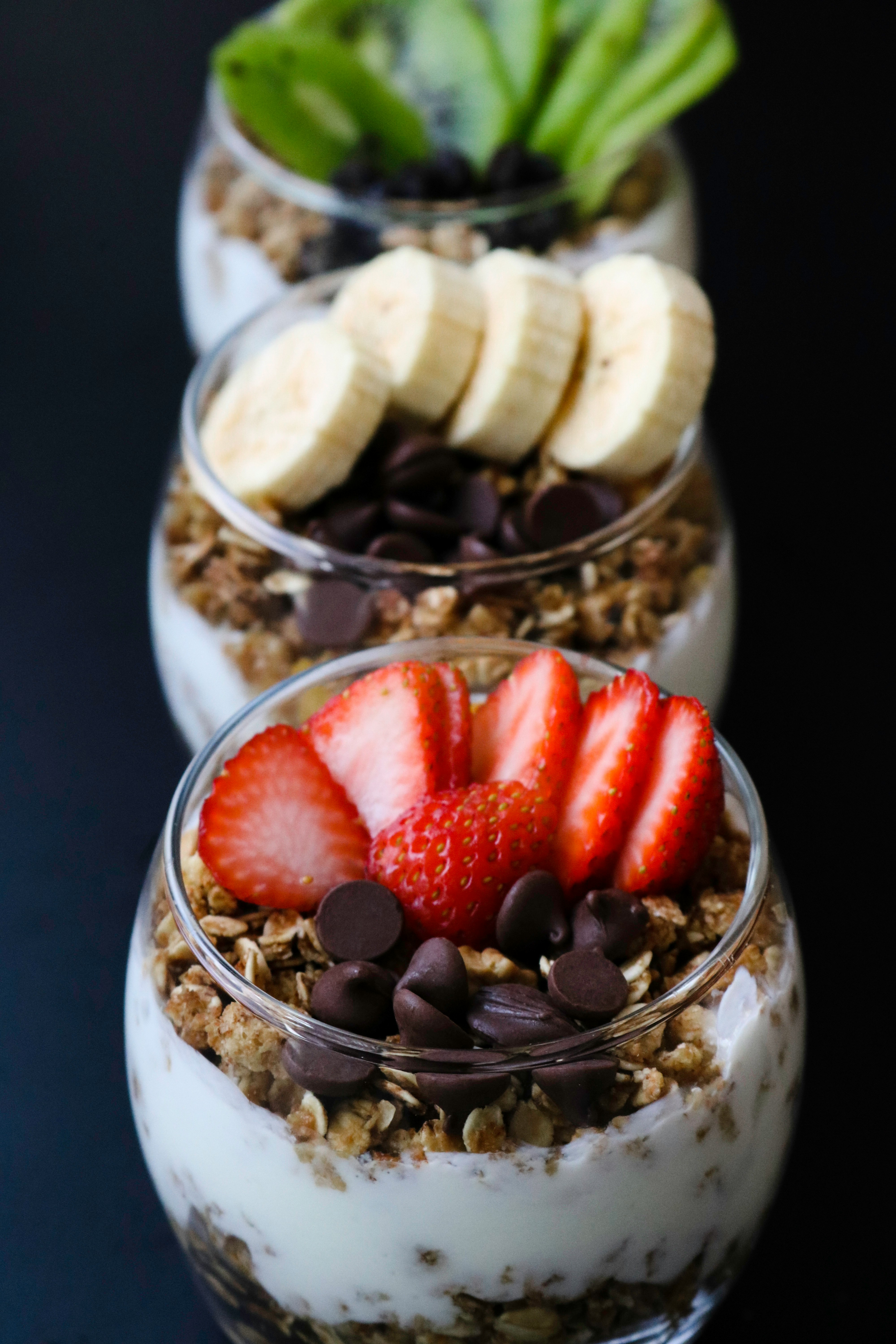
Tryptophan is an amino acid used to make melatonin and serotonin. That sleepy feeling after Thanksgiving dinner? It’s not just from a full stomach—turkey is full of tryptophan. Other great sources include:
- Chicken
- Oats
- Bananas
- Nuts and seeds
- Dark chocolate
Pair tryptophan foods with a healthy carbohydrate like whole grain toast or fruit. That combination helps your brain absorb it better.
- Vitamin D
Low vitamin D levels have been linked to shorter sleep duration and poorer sleep quality. While sunlight is your best source, you can also boost your vitamin D with foods like:
- Fortified milk and yogurt
- Eggs
- Mushrooms
- Salmon or canned tuna
These foods also provide protein and other nutrients that support your bones, muscles, and overall health.
- Fiber
People who eat more fiber tend to have better quality sleep and fewer wake-ups during the night. Fiber helps regulate blood sugar and supports gut health, which in turn impacts your brain and sleep hormones. Some high-fiber picks include:
- Berries, apple, or pears with the skin
- Dark leafy greens and cruciferous vegetables
- Legumes
- Nuts and seeds
- Whole grains
Summary
There’s no single food that guarantees perfect sleep, but choosing foods that support your body’s natural rhythms can make it easier to fall asleep, stay asleep, and wake up ready for the day ahead. Pair these nutrition strategies with the healthy habits we shared in our last blog post to support better sleep from all angles.
Looking for more ways to feel rested and energized?
Click here to read our last post on Healthy Tips for a Hectic Schedule.
Want more help building healthy habits? Take our free quiz: Top Inner Roadblocks to Weight Loss Success and get personalized tips for better sleep, energy, and health.
Announcement
Stressed? You’re Invited to a Free Body-Mind Workshop
- Do you feel tired, even after a full night’s sleep?
- Are you always on the go, but rarely feel truly present?
You’re not alone. Many high achievers feel this way.
This is your invitation to a free virtual workshop designed just for you.
Here’s what you’ll get:
- Learn simple breathwork techniques you can use anytime to quickly reduce stress and boost your energy—even on your busiest days.
- Discover a 5-step process to stop feeling controlled by food and start making choices that nourish your body and mind.
- Experience a guided visualization that helps you reconnect with your inner rhythm, so you feel more present, calm, and in tune with what matters to you
You’ll leave with practical tools you can use right away.
Date: Thursday, July 10
Time: 12:00–1:00 PM Eastern
Where: Zoom (link sent after you register)
Take a break for yourself. You deserve it.
Reserve your spot now: https://sweetlifewellness.sparkcrm.pro/ignitejoy
We look forward to seeing you there!
P.S. This isn’t your typical workshop – we’re bringing you an experimental taste of deeper work with THREE expert guides, each bringing practical, real-life tools for lasting joy and balance – in just one hour!
Sources
- Zhao M, Tuo H, Wang S, Zhao L. The Effects of Dietary Nutrition on Sleep and Sleep Disorders. Mediators of Inflammation. 2020;2020(3142874):1-7. doi:https://doi.org/10.1155/2020/3142874
- CDC. About Sleep. Sleep. Published February 12, 2025. Accessed June 19, 2025. https://www.cdc.gov/sleep/about/?CDC_AAref_Val=https://www.cdc.gov/sleep/about_sleep/how_much_sleep.html#print
<img src=”http://www.sweetlifewellness.com/wp-content/uploads/2025/03/zhana.jpeg” width=”127″ height=”161″ />

Zhana Ivanova
University of Maryland – Nutrition and Food Sciences

Kay Loughrey, MPH, RDN, LDN Transformational Speaker, Breakthrough Coach, Nutritionist-Dietitian
Thank you for reading this blog post. Join the Sweet Life Newsletter to stay up to date on blog posts, events, and other ways to live your best sweet life.
Kay Loughrey, MPH, RDN, LDN is a licensed Nutritionist-Dietitian and a weight loss coach with 30+ years of experience in helping people lose weight and develop healthier relationships with food. She coaches her clients nationwide providing weight loss planning, video check-ins, and more. Schedule your free consultation.